Ouch My Trauma Hurts (OMTH)
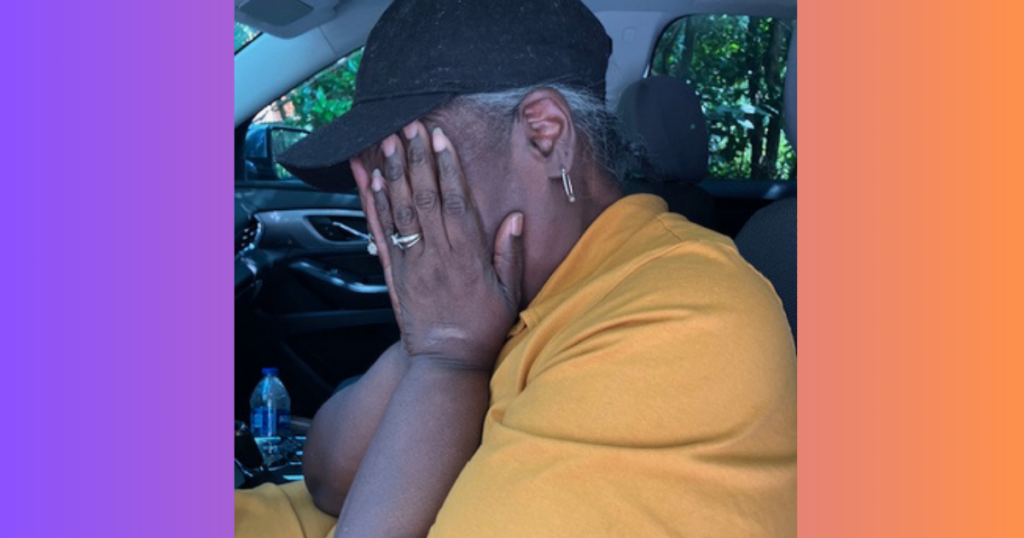
Moral injury is a wound to the heart and soul. It can come from our not being able to prevent or even stop inhumane acts—the pain, suffering, and death of others. These witnessed horrors are described by many observers watching current arrests and deportations. Not the same as trauma, moral injury causes feelings of shame, guilt, and betrayal. We experience a threat to our own moral beliefs. Below is a wonderful description of moral injury by Sonya B. Norman, PhD and Shira Maguen, PhD.
In traumatic or unusually stressful circumstances, people may perpetrate, fail to prevent, or witness events that contradict deeply held moral beliefs and expectations (1). When someone does something that goes against their beliefs this is often referred to as an act of commission and when they fail to do something in line with their beliefs that is often referred to as an act of omission. Individuals may also experience betrayal from leadership, others in positions of power or peers that can result in adverse outcomes (2). Moral injury is the distressing psychological, behavioral, social, and sometimes spiritual aftermath of exposure to such events (3). A moral injury can occur in response to acting or witnessing behaviors that go against an individual’s values and moral beliefs.
In order for moral injury to occur, the individual must feel like a transgression occurred and that they or someone else crossed a line with respect to their moral beliefs. Guilt, shame, disgust and anger are some of the hallmark reactions of moral injury (e.g., 4). Guilt involves feeling distress and remorse regarding the morally injurious event (e.g., “I did something bad.”). Shame is when the belief about the event generalizes to the whole self (e.g., “I am bad because of what I did.”) (5). Disgust may occur as a response to memories of an act of perpetration, and anger may occur in response to a loss or feeling betrayed (6). Another hallmark reaction to moral injury is an inability to self-forgive, and consequently engaging in self-sabotaging behaviors (e.g., feeling link you don’t deserve to succeed at work or relationships).”
FROM DR. MARTI:
Moral Injury is a top health issue across our country. People are haunted by events they witness or see on video—including detention and deportation activities. When US citizens and noncitizens are roughly grabbed and arrested, many actual or video witnesses feel horror and helplessness while wanting to save/protect the adults and/or children. Legal procedures can follow but do not erase the H and H (horror and helplessness) deeply felt by witnesses. An important action by the witness can involve contributing to a legal group assisting immigrants.
Some protest and many vote their beliefs. Action can assist people with helplessness and horror that grips them, impacts their emotion and physical health, and drains energy. Our moral injury is not a visible sight with blood, not a broken bone or a heart attack, but the injury can be profound.
We need relief from our guilt and shame, sorrow and sadness. Action in the community of others is an antidote to anguish and despair where hopelessness forms a lasso that circles and captures us.
Headache, unsettled stomach, and other physical manifestations of our grief are common because this involves witnessing scenes opposing our values. We witness our own and others losses: Of dignity, even jobs and finances and program that have been valuable to us and others.
Moral Injury is not the same as Post-traumatic Stress Disorder(PTSD), but they are often a couple strolling in a storm. When they join in harming us, our behaviors may be a surprise of desperation and anguish.
I recently evaluated a veteran who came home from a war and harmed another, although he had never seemed aggressive or unkind. Moral Injury and PTSD became evident and he describe a discovery during war that he’d shot some innocent people by mistake. His shame and guilt were aimed mostly at himself, but aggression had spilled over onto another who had received multiple punches from him. War is like that- some injuries are internal and lasting, changing a person’s life for ever.
DISCLAIMER:
The information provided is for educational purposes only and is not a substitute for professional medical or psychological advice. Always consult a qualified professional for specific concerns.