Ouch My Trauma Hurts (OMTH)
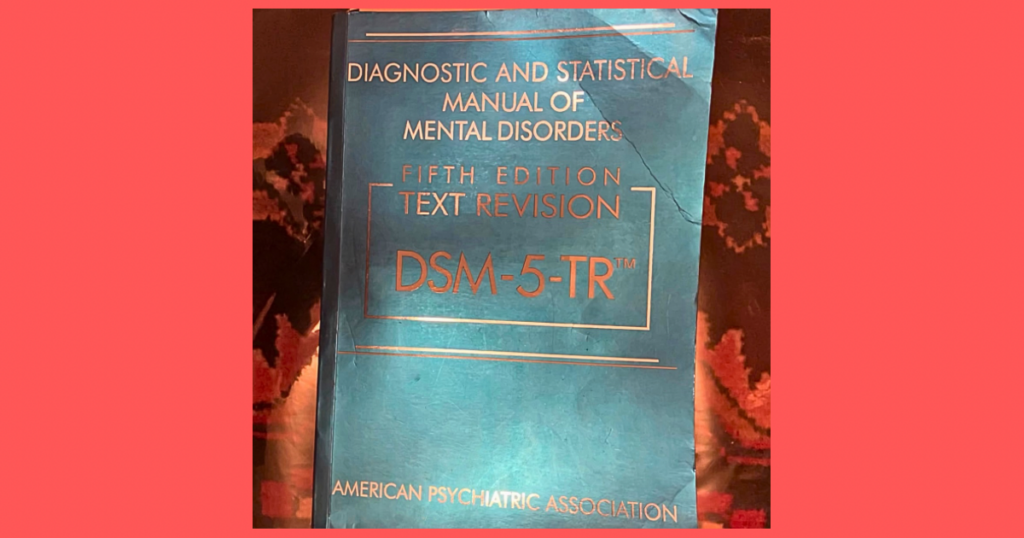
The American Psychiatric Association published the DSM-5-TR as a way of
explaining different mental health problems, called disorders. The way it works is that symptoms of a certain problem are listed and explained, much like if we go to the doctor’s office and talk about our own symptoms while the doctor observes and perhaps does tests to fill the picture and diagnose our illness. In the DSM-5-TR, the symptoms of trauma include super high anxiety along with sometimes zoning out with less (or no) awareness of what’s going on around us; difficulty in clear thinking when memories of traumatic events (either witnessed or experienced ourselves) invade our minds; often blaming ourselves for events;
and even having trouble remembering all of the traumatic event. For someone to have Post-traumatic Stress Disorder (PTSD), these and other symptoms are both strong and flooding our lives.
But we can have trauma without all of these symptoms. And it may be painful and make our lives so very difficult! Trauma often causes problems in our relationships. We are often irritable and depressed while traumatized. And who can fully enjoy closeness and intimacy while sad and jumpy with gloom and fear?
Seeking help is so smart- especially with a trauma-informed therapist! Giving ourselves grace and understanding, speaking to ourselves as we would to a beloved pet- these are truly wonderful gifts!
Disclaimer: The information provided is for educational purposes only and is not a substitute for professional medical or psychological advice. Always consult a qualified professional for specific concerns.